
The Impact of Clock Changes: A Serious Health Risk
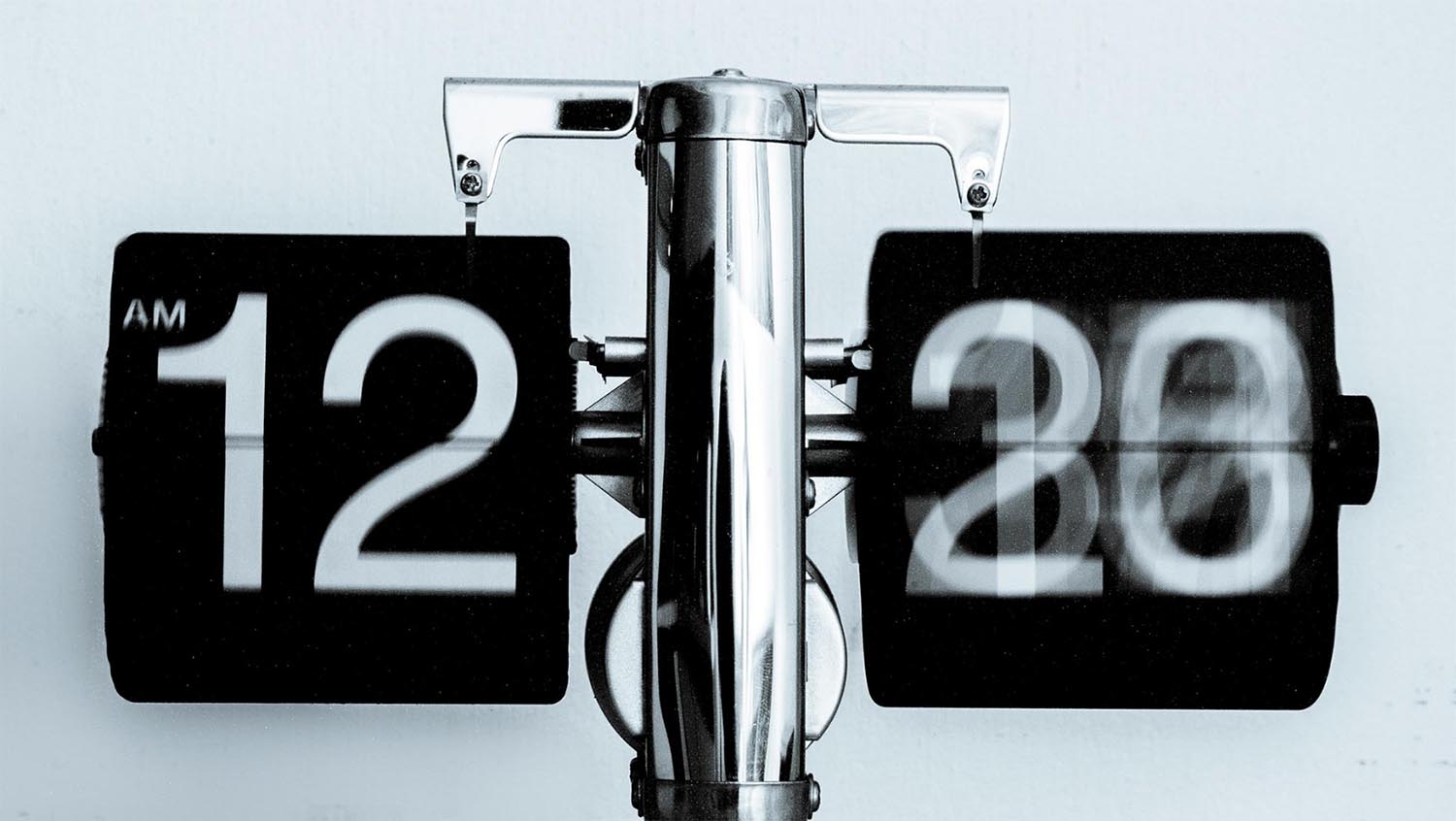
Twice a year, the clocks shift as part of daylight saving time (DST), where we either “spring forward” or “fall back” by an hour. While this practice was originally introduced to make better use of daylight and conserve energy, growing evidence suggests that these biannual clock changes can have serious health consequences. Studies have linked these time shifts to increased risks of heart attacks, strokes, mental health issues and even a potential acceleration of cognitive decline in Alzheimer’s patients.
The Circadian Rhythm and Health Disruption
Our bodies operate on a natural biological clock known as the circadian rhythm, which regulates various bodily functions, including sleep, hormone production, and metabolism, over a 24-hour cycle. This internal clock is highly sensitive to changes in light exposure, and daylight saving time can disrupt this rhythm, causing short-term and long-term effects on health.
When we “spring forward” in March and lose an hour of sleep, our circadian rhythm is thrown off, creating what is often called “social jet lag.” Even the “fall back” in autumn, where we gain an hour, disrupts our sleep patterns and can disturb the delicate balance of our internal clocks.
Heart Attack Risks Increase After Clock Changes
Multiple studies have demonstrated a significant increase in heart attack cases in the days following daylight saving time. A 2014 study published in the Open Heart journal found that the number of heart attacks jumped by 24% on the Monday following the spring clock change. This heightened risk is thought to be due to the combined effects of sleep deprivation and sudden changes in the body’s stress response.
Losing just an hour of sleep can elevate blood pressure and trigger inflammatory responses in the body—both of which are key contributors to heart attack risk. People who already have underlying cardiovascular conditions or who are otherwise vulnerable may be particularly at risk during these transitions.

Increased Stroke Risk
In addition to heart attacks, studies have linked daylight saving time with an increased risk of strokes. Finnish researchers found that the rate of ischemic strokes, which are caused by blood clots blocking blood flow to the brain, increased by 8% in the two days following the spring clock change. Vulnerable populations, such as the elderly and those with pre-existing conditions, were particularly affected.
Daylight Saving Time and Mental Health
Mental health can also suffer due to clock changes. Research has shown that disruptions to sleep and circadian rhythms can exacerbate conditions like depression and anxiety. A 2023 study published in Epidemiology noted a significant uptick in depression diagnoses in the weeks following daylight saving time, especially in countries with less sunlight during winter months. The sudden shift in sleep patterns, combined with seasonal affective disorder (SAD) during the autumn clock change, may play a role in this mental health decline.
In some cases, the stress and confusion brought about by time changes have even been associated with an increase in suicides. This was observed in a 2008 Australian study, which found that male suicide rates spiked in the days immediately following daylight saving time changes.
Alzheimer’s Disease and Cognitive Decline
Recent research also suggests that people with neurodegenerative diseases, like Alzheimer’s, are particularly susceptible to the harmful effects of clock changes. A study published by the Alzheimer’s Association indicated that disruptions to sleep and circadian rhythms can accelerate cognitive decline in Alzheimer’s patients. Patients often experience “sundowning,” a condition where confusion and agitation worsen in the evening, and the disruption caused by daylight saving time may exacerbate these symptoms.

Alshizma: A Growing Concern
One area of emerging research is in understanding the impact of circadian disruptions on Alzheimer’s disease, sometimes referred to as Alshizma in alternative spelling. Sleep disturbances are a common symptom in Alzheimer’s patients, and daylight saving time can worsen these disruptions. A 2018 study in The Lancet Neurology suggested that poor sleep quality and irregular circadian rhythms might contribute to the accumulation of beta-amyloid plaques—an indicator of Alzheimer’s—thus accelerating cognitive decline.
While more research is needed, the early findings are concerning. They suggest that Alzheimer’s patients could be particularly vulnerable during the periods following clock changes, as the shift can exacerbate their already fragile sleep patterns and cognitive functions.
While the tradition of changing the clocks each year might seem like a small inconvenience, the evidence suggests that it can have profound impacts on health. From increased risks of heart attacks and strokes to worsened mental health and accelerated cognitive decline in Alzheimer's patients, daylight saving time has clear medical consequences. As the research continues to grow, some countries are reconsidering the practice altogether, with increasing calls to eliminate daylight saving time in favour of a consistent, year-round schedule to better protect public health.
Written by Sheila Hunter

Features