AI That Can Smell, Diagnose & Predict Your Health

The future of healthcare might already be in your bathroom!
For years, we’ve been told that artificial intelligence will change healthcare. Most of us imagined robots in hospitals or computers reading scans behind the scenes. What’s actually happening is far more surprising and much closer to home.
AI is learning to smell, diagnose and even predict health conditions, often using everyday devices you wouldn’t think twice about.
Yes, even your toothbrush!
How can AI “smell” health problems?
Humans have always used smell as a basic health signal: bad breath, body odour, or even the smell of sweat can indicate something isn’t quite right. AI simply takes this idea and supercharges it.
New sensors, combined with machine learning, can analyse tiny chemical compounds in breath, sweat or saliva. These compounds act like fingerprints for what’s going on inside the body. AI systems are trained on millions of samples, learning to recognise patterns linked to specific conditions.
Some of the latest AI-powered devices can already detect early signs of diabetes, infections, gum disease, digestive issues and even neurological conditions by analysing breath or oral bacteria. This is not guesswork it’s pattern recognition on a scale no human could manage.
Diagnosis without needles or waiting rooms
Traditionally, diagnosing illness often means blood tests, scans and long waits for results. AI is helping to shift that model.
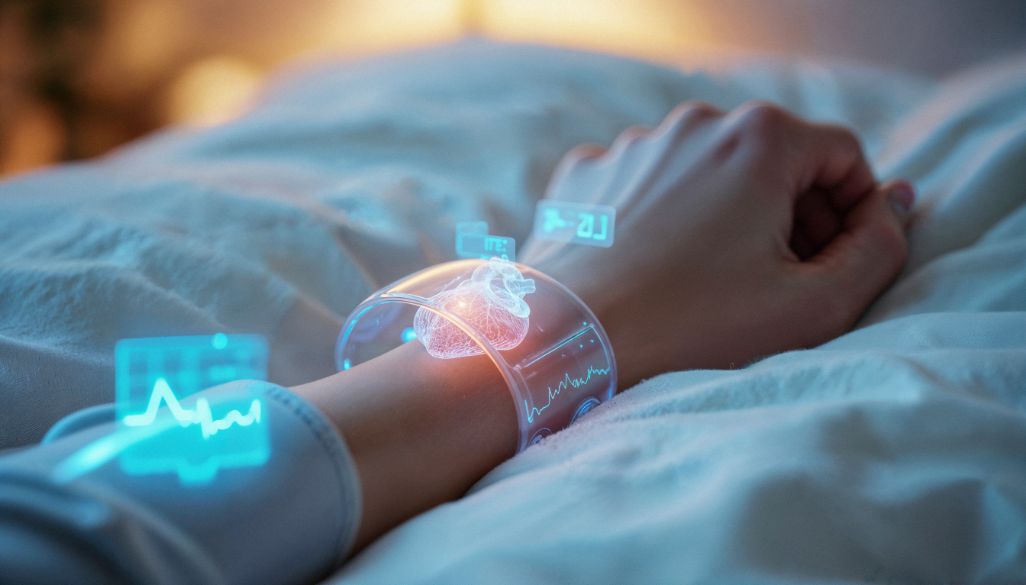
Smart devices are now being developed that can flag potential health issues before symptoms become obvious. For example, AI can notice subtle changes in breathing patterns, heart rhythm, or sleep quality that might indicate stress, inflammation or the early stages of illness.
The key difference is speed. Instead of reacting once you feel unwell, AI looks for small changes over time often weeks or months earlier than a GP visit would catch them.
It’s not about replacing doctors. It’s about giving both patients and professionals better information sooner.
Predicting problems before they happen
Perhaps the most powerful shift is prediction. AI doesn’t just analyse a single reading, it watches trends. A slight change in breath chemistry. A gradual increase in resting heart rate. A pattern of disrupted sleep. On their own, these mean very little. Together, they can signal that something is heading in the wrong direction.
This opens the door to preventative healthcare, where lifestyle changes, medication or monitoring can happen early, rather than dealing with serious illness later.
In simple terms, AI is moving healthcare from “fixing problems” to helping prevent them.
Should we be excited — or cautious?
As with all health tech, there are valid concerns. Data privacy, accuracy and over-reliance on devices all matter. AI tools still need proper regulation, clinical testing and clear boundaries.
But used responsibly, this technology could reduce pressure on healthcare systems, empower individuals to understand their own bodies better, and make early intervention far more accessible.
The idea that a device could quietly watch over your health spotting problems before you ever feel ill once sounded like science fiction. Now, it’s brushing its teeth next to you!

Features