Beauty in the Age of AI: When Your Perfect Face Isn’t Real
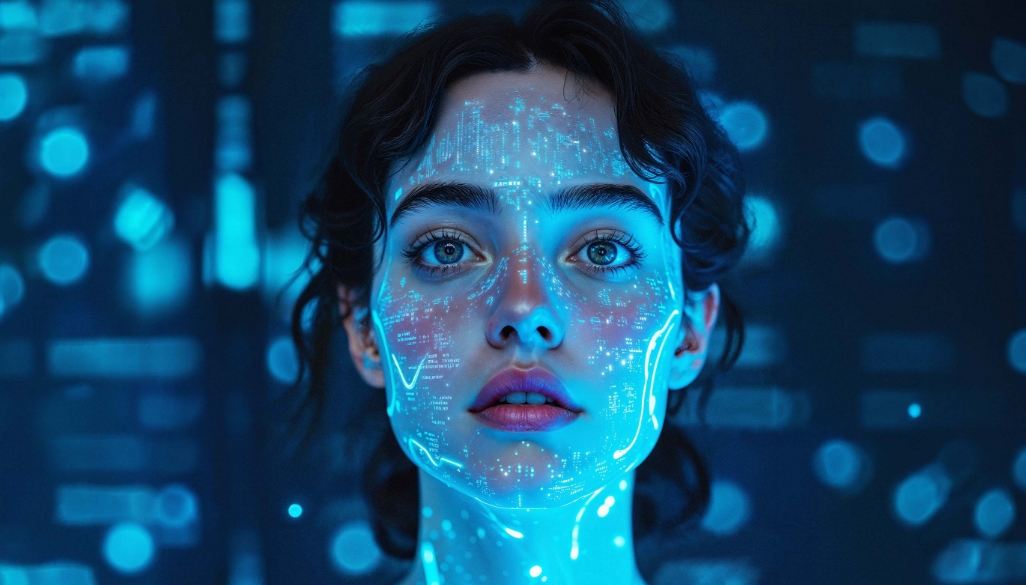
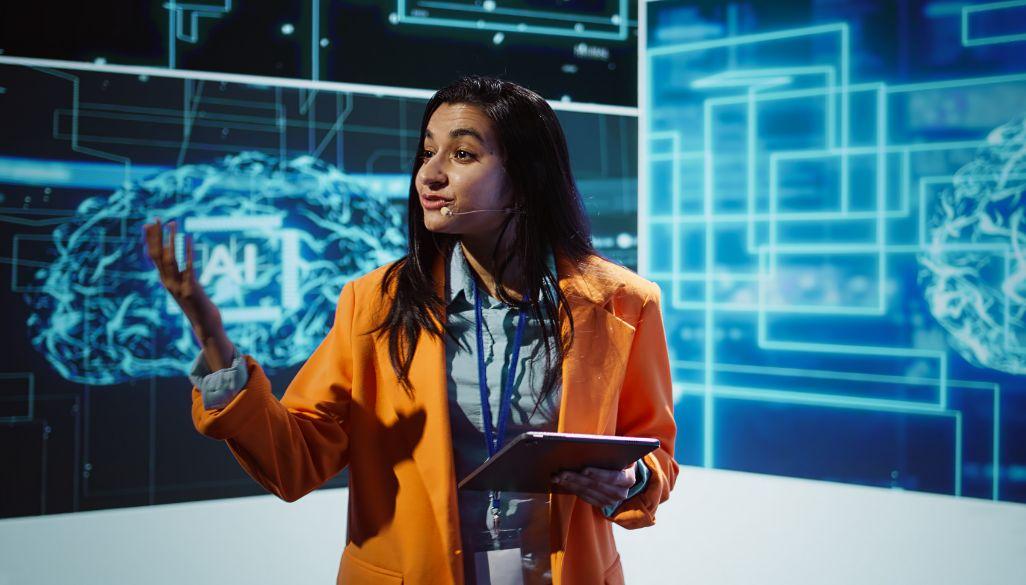
There was a time when the beauty industry was shaped by supermodels, reality TV stars and glossy magazine covers. Today, the new icons of perfection aren’t even real. They’re AI-generated – digital humans with flawless skin, symmetrical bone structure, poreless complexions and impossible proportions. And millions of people follow, admire and model themselves after them.
Welcome to beauty in the age of artificial intelligence.
The rise of virtual influencers
Virtual influencers are no longer a novelty – they are a business. These AI-created personalities promote skincare brands, model in luxury campaigns and gain hundreds of thousands of followers across social platforms. They don’t age, they don’t get spots and they never have a bad angle. They can shoot five campaigns in five minutes and appear in Paris, Tokyo and London in the same afternoon – all from a machine.
For brands, the appeal is obvious: no scheduling conflicts, no retakes, no scandals. But for everyday consumers, especially young women and girls, these digital figures are quietly reshaping the way beauty is viewed and valued.
AI beauty pageants – the next frontier
The rise of virtual influencers has also led to something that, even five years ago, would have sounded like satire: AI beauty pageants. These competitions “judge” digital contestants based on numerical measurements of symmetry, complexion and aesthetic trends. No personality. No charisma. Just pixel-perfection.
The unnerving part? Many of these digital “winners” are created using the same filters and facial standards that real people now use online. The standards of AI beauty are leaking into everyday beauty culture. People can – and increasingly do – run their own selfies through AI retouching to “improve” their appearance based on the same beauty metrics that judges use for digital models.
The result? Real women are competing with faces that aren’t real.
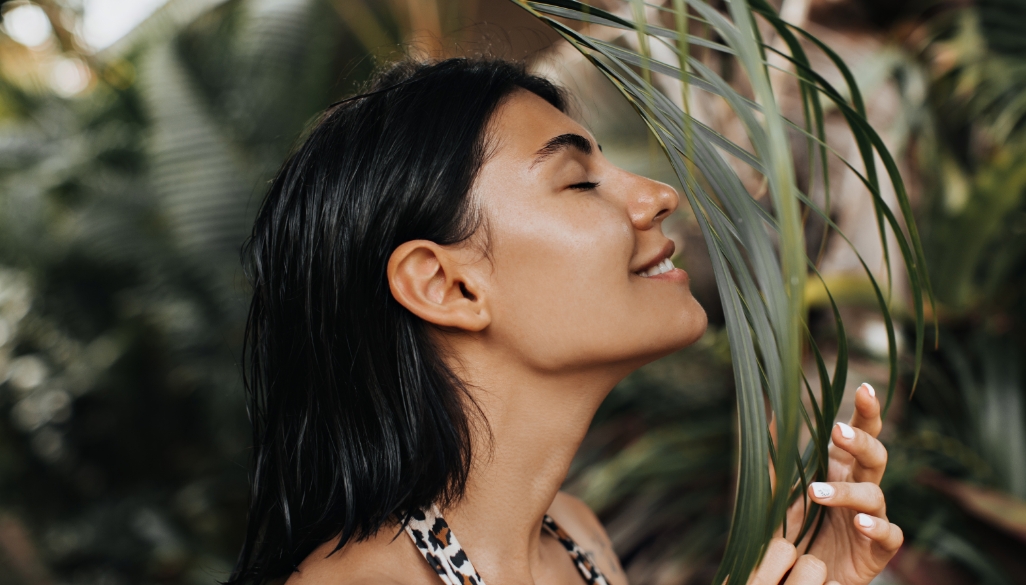
When perfection becomes the norm
AI doesn’t need sleep, hormones, water retention or years of sun exposure. But our bodies do. And yet, when the online feed is filled with synthetic perfection, it becomes startlingly easy to forget that.
We’re seeing the psychological effects already:
• More young people are seeking cosmetic procedures to match AI-edited versions of themselves
• Dermatologists and aestheticians report clients bringing filtered selfies as reference images
• Confidence drops as beauty becomes less about individuality and more about mathematical “correctness”
What happens when beauty becomes a formula? When faces are created to match what an algorithm thinks we want to see?
Too many people are beginning to view their real faces not as unique expressions of who they are, but as a problem to be solved.
Reclaiming reality
AI is not the enemy. Digital creativity can spark innovation, inclusion and artistry. But we must remain conscious consumers. A filtered face is not a failure, it’s a fantasy. And comparison with fantasy is a silent thief!
Real beauty has texture. It smiles, ages, changes, surprises and tells stories that AI can’t.
As the world moves further into synthetic perfection, we may find that the most radical form of beauty is the one we’ve had all along:
A real human face – imperfect and entirely our own.

Features