Digital Fashion: Dressing the Future in the Virtual World
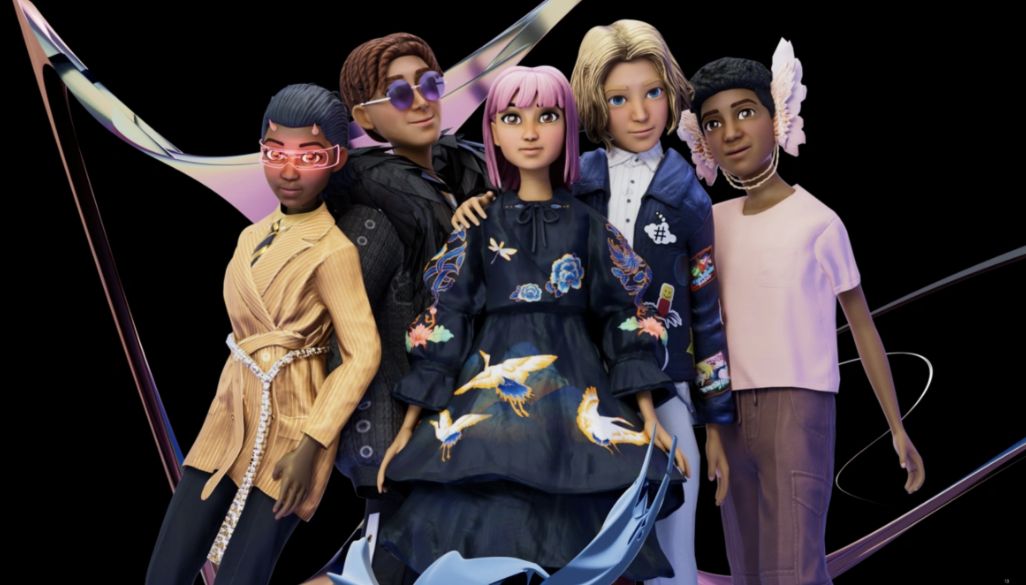
The fashion industry is no longer limited by fabric, thread or physical stores. Virtual garments, NFTs, and AR experiences are redefining self-expression, digital identity and sustainability. Digital fashion is here - and it’s reshaping how we dress, both online and offline, offering unprecedented opportunities for creativity, individuality and environmentally conscious style.
The Rise of Digital Wearables
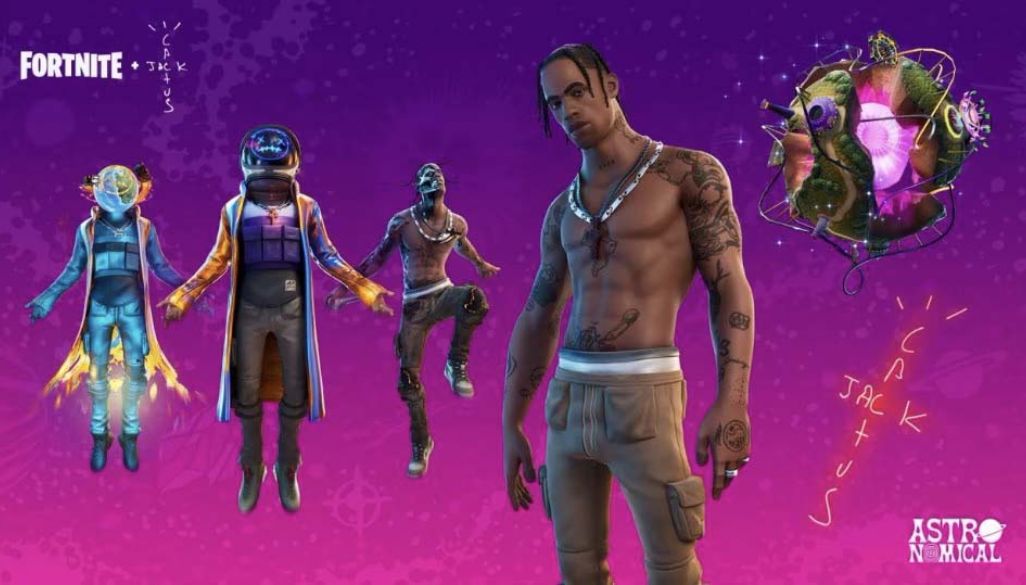
Digital wearables are transforming avatars into style statements and turning virtual spaces into runways. Platforms like Roblox, Fortnite and Decentraland have become arenas for showcasing digital style, while luxury brands including Gucci, Balenciaga and Dolce & Gabbana are releasing exclusive virtual garments designed for avatars.
Augmented reality (AR) technology allows users to “try on” digital pieces in real-world environments through smartphones, tablets or smart mirrors. This creates a hybrid fashion experience, bridging the gap between digital and physical expression. Users can experiment with bold colours, dramatic textures and designs that defy the constraints of traditional fabrics without committing to a physical purchase.
“Virtual clothing allows consumers to express themselves in ways previously unimaginable.”
The trend has opened doors for both established fashion houses and independent designers to explore new creative directions, reach global audiences instantly and develop limited-edition releases with unique storytelling elements.
Sustainability in the Digital Age
One of the strongest appeals of digital fashion lies in its environmental benefits. Digital garments require no textiles, dyes, water or shipping, dramatically reducing the fashion industry’s ecological footprint.
Consumers can experiment with trends without generating excess waste, while brands can engage audiences in new ways that complement rather than replace sustainable physical collections. As more shoppers embrace conscious consumption, digital fashion provides an ethical alternative that aligns with environmental priorities.
Sustainability Stats:
• Fashion industry contributes ~10% of global carbon emissions
• 92 million tonnes of textile waste produced annually
• Digital fashion = zero physical waste
By combining creativity with environmental responsibility, digital fashion demonstrates that style and sustainability can coexist in harmony.
Creativity and Digital Identity
Without the physical limits of fabrics, designers can explore animated textures, gravity-defying silhouettes and impossible colour combinations. This freedom allows consumers to cultivate digital wardrobes that reflect mood, personality and social signalling within online communities.
“Digital fashion isn’t just clothes; it’s a new form of storytelling.”
Quick Tips:
How to integrate digital fashion into everyday life:
1. Dress your avatar for social or work platforms
2. Explore limited-edition NFT drops
3. Mix physical and virtual pieces for a hybrid wardrobe
Digital fashion is not only about aesthetics; it’s about creating identity, experimentation and new forms of self-expression.
The Future is Hybrid
The future of fashion is neither purely physical nor fully digital. Hybrid wardrobes allow for experimentation, sustainability and individuality. Luxury brands, indie designers, and consumers alike are exploring interactive, collectible, and AR-enabled clothing that merges the digital and physical worlds.
Digital fashion offers opportunities for exclusivity, creativity, and environmentally conscious innovation all while expanding how we define personal style. It demonstrates that fashion’s evolution is not about abandoning the tangible world but enhancing it with digital possibilities.
Virtual clothing is more than a novelty; it’s a glimpse into the future of fashion. By combining sustainability, innovation, and identity, digital fashion empowers consumers to explore style in ways once unimaginable. The digital wardrobe is limitless and so is the potential for creative self-expression.

Features