Read the Label: How the Food Industry is Letting Us Down
By Elevate Editorial Team
Walk through any UK supermarket and you’ll be met with colourful packets shouting “low fat”, “high protein”, “natural ingredients” or “guilt-free”. But beyond the marketing, a different picture emerges: one where foods are increasingly engineered for shelf life, flavour intensity and profit, rather than for genuine nourishment.
Despite what the packaging suggests, many popular products are heavily ultra-processed, filled with additives most of us would never consider using at home. These ingredients may be legal, but that doesn’t mean they support long-term health.
THE HIDDEN ADDITIVES IN YOUR FOOD
Modern processed foods often contain a cocktail of chemicals added to enhance taste, texture or longevity. Some of the most common ones include:
Artificial Colours (E100–E199)
Brightly coloured cereals, sweets and drinks often use synthetic dyes. Some have been linked to behavioural issues such as hyperactivity in children (and adults alike!)
Artificial Sweeteners
Found in “diet” drinks, yoghurts, and protein bars. Sweeteners like aspartame and sucralose may disrupt gut health and appetite signals.
Preservatives
Nitrites, BHA and BHT appear in everything from bacon to snack foods. While they prevent spoilage, some are associated with increased inflammation and potential long-term health risks.
Flavour Enhancers
Compounds such as MSG or yeast extract amplify flavour, making highly processed foods more appealing than their natural ingredients would allow.
Emulsifiers & Stabilizers
Common in sauces, plant milks, ice creams and bread. Some studies suggest these may irritate the gut lining and disrupt the microbiome.
While consuming these occasionally isn’t alarming, the issue is consistent, repeated exposure through daily foods marketed as “healthy”.
THE LABELLING TRICKS YOU SHOULD KNOW
Food labels are designed to sell, not to inform. The industry has many clever ways of making a product look healthier than it is.
Misleading but legal tactics include:
• “Natural flavouring” – often a lab-created compound.
• “Low fat” – usually compensated with added sugar.
• “High protein” – even if the rest of the product is ultra-processed.
• Tiny portion sizes – used to disguise high calories or sugar content.
• Multiple names for sugar – such as dextrose, fructose, maltose, cane syrup.
Consumers think they’re making good choices, but often they’re being misled by strategic wording.
THE EFFECT ON HEALTH
A diet high in ultra-processed foods has been linked to:
• weight gain
• chronic fatigue and brain fog
• digestive issues
• increased inflammation
• food cravings and overeating
• higher long-term risk of disease
These issues often develop gradually, making it harder for people to connect symptoms to what they’re eating.
HOW TO PROTECT YOURSELF
Becoming label-literate is one of the most powerful tools consumers have. You don’t need specialist knowledge - just a few simple habits:
✔ Check the first three ingredients
These make up most of the product. Avoid if they include sugar or refined oils.
✔ Choose products with fewer ingredients
Shorter lists usually mean less processing.
✔ Watch for hidden sugars
If multiple forms of sugar appear, it’s a red flag.
✔ Ignore the front of the package
The real truth is in the ingredients list and nutrition panel.
✔ Opt for whole foods more often
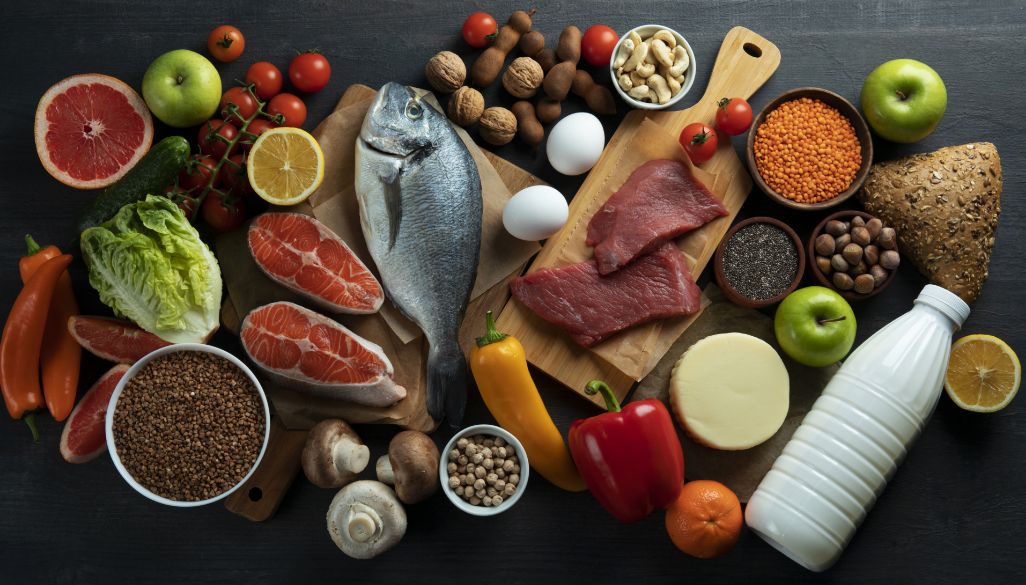
Fresh, minimally processed foods rarely contain hidden additives.
The food industry might not change overnight - but consumers can take control today. By reading labels and understanding what’s really inside packaged foods, you make choices that support your long-term health, not the manufacturer’s marketing strategy.
Your body deserves real food.
Always read the label.

Features