The Death of the Saturday Night TV Event
How streaming quietly killed shared viewing and whether it is coming back
There was a time when Saturday night television was an actual event. Not background noise. Not something half watched while scrolling on a phone. It was planned, anticipated and shared.
You knew what time it started. You knew where you would be sitting. And chances are, millions of other people across the country were doing exactly the same thing.
Saturday night TV used to bring households together. Shows like Blind Date, Gladiators, Noel’s House Party and The Generation Game were built for collective viewing. They were loud, friendly and designed to be talked about the next day. Even if you missed an episode, you felt like you had missed something important.
Later came shows like The X Factor, Britain’s Got Talent and Saturday Night Takeaway. These programmes thrived on live reactions. Voting, phone ins and shared excitement made viewers feel part of something bigger than the screen in front of them.
Then streaming arrived.
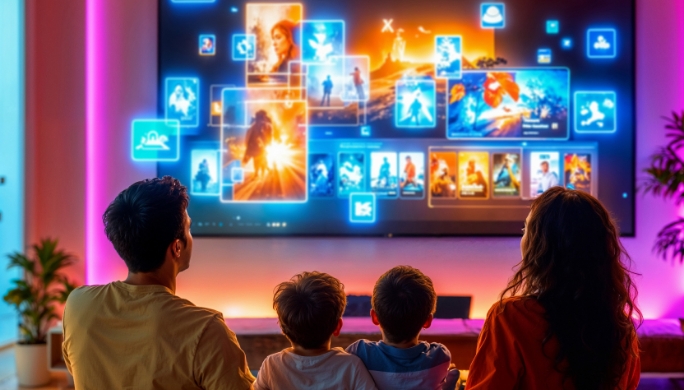
Slowly, without much resistance, the idea of everyone watching the same thing at the same time disappeared. Box sets replaced schedules. Catch up replaced anticipation. Saturday night became just another option rather than a fixture.
Streaming gave viewers freedom, but it also removed ritual. When everything is available all the time, nothing feels quite as special. You watch alone, on different devices, at different times. Conversations become fragmented. “Have you seen it yet?” replaces “Did you watch it last night?”
Shared viewing faded quietly.
Another change was attention. Saturday night TV was designed to hold focus. Shows were paced carefully, built around ad breaks and cliffhangers. Streaming encourages multitasking. People watch while checking phones, pausing, rewinding or abandoning episodes entirely.
Entertainment became personal rather than communal.
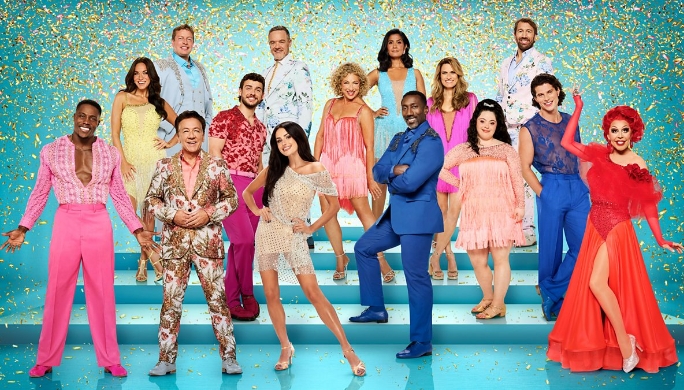
Yet something interesting is happening. Nostalgia is growing. Live experiences are gaining appeal again. Shows like Strictly Come Dancing still pull families together on a Saturday night. Live finals, sporting events and reality show finales still create moments where people want to watch together, in real time.
There is also a renewed appetite for simplicity. After a week of endless choice, some viewers want the comfort of being told what is on and when. There is relief in not having to decide.
Broadcasters are noticing this. More shows are returning to appointment viewing. Live elements, voting and audience participation are creeping back. There is recognition that shared moments matter.
The Saturday night TV event may never look exactly as it did in the days of Noel’s House Party chaos or Gladiators foam fingers. Viewing habits have changed too much for that.
But the desire to watch together has not disappeared. It has just been sleeping.
And every time a show gets people talking at the same time, laughing at the same moment, or shouting at the same screen, it becomes clear.
We did not just lose Saturday night TV.
We lost the feeling of watching something together.
And that feeling may yet find its way back.

Features