
The End of Passwords: Why Your Face, Phone or Finger Is About to Replace Them
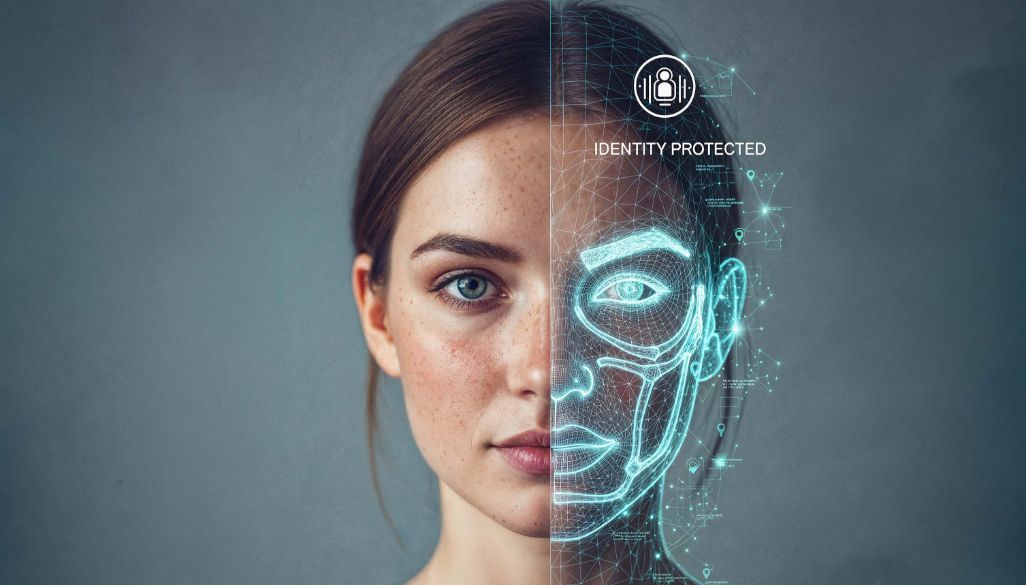
Let’s be honest. Passwords are a nightmare. They have to be long, strange and impossible to remember. You are told not to write them down, not to reuse them and definitely not to use your dog’s name, even though your dog has never once tried to hack your email.
Most of us deal with this by having one “main” password, one “important” password and one we forget every single time. Then we click “Forgot password”, answer questions about our first pet from 2003 and promise ourselves we will remember it next time. We never do. Now, at last, technology is quietly putting passwords out of their misery.
Big tech companies are moving towards something called passkeys. The name sounds complicated, but the idea is simple. Instead of remembering words, numbers and symbols, you use something you already have. Your face, your finger or your phone.
If you can unlock your phone, you can log in. No typing. No guessing. No shouting at your laptop at 11pm. A passkey lives on your device. When you log in to a website or app, your phone or computer checks it is really you by using face recognition, a fingerprint or a PIN. The secret part never leaves your device and is never shared online.
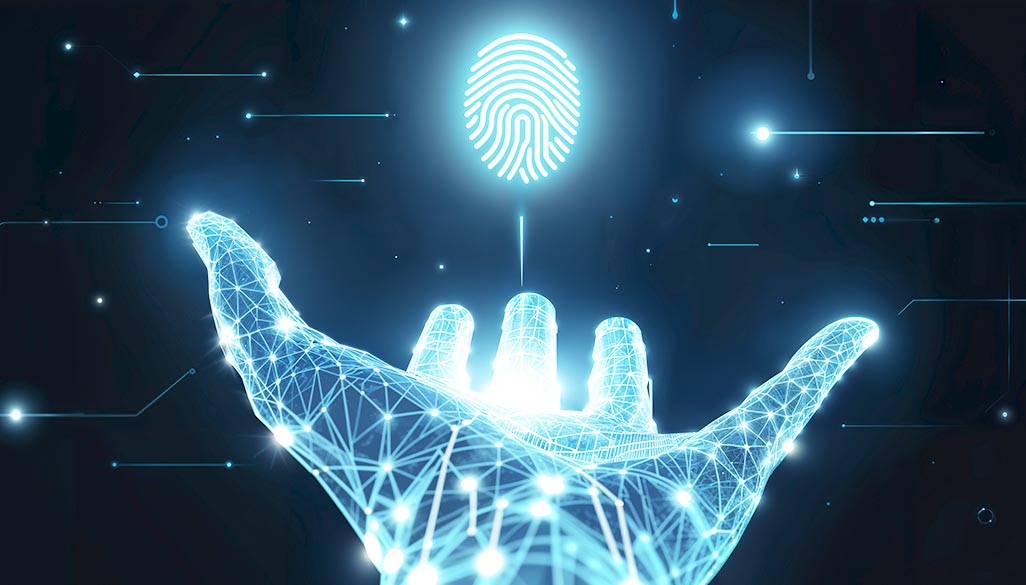
That means hackers have nothing to steal. There is no password sitting on a server waiting to be leaked. There is nothing to accidentally give away in a fake email that looks like it came from your bank. In simple terms, it is much harder to trick someone into giving away their face than it is to trick them into typing a password. You may already be using this without realising. If you open your banking app with your thumb or your face, congratulations. You are living in the future.
The difference now is that this is spreading everywhere. Shopping sites, airlines, streaming services and work systems are starting to let people sign in without passwords at all. Over time, typing “Password123!” may feel as outdated as sending faxes.
People often worry about safety, which is fair. Your face or fingerprint is not floating around the internet. It stays locked inside your device. Even the company you are logging into cannot see it. If you lose your phone, it can be locked or wiped remotely.
Of course, questions remain. What if your phone breaks? What if you drop it in the sea on holiday? Companies are building backup options like recovery codes or trusted devices so you are not locked out forever.
Beyond convenience, this change is about making digital life less annoying. Fewer passwords. Fewer resets. Fewer moments of quiet rage when a website tells you your password must contain a symbol you swear you already used.
The age of passwords is ending. And honestly, it is about time.

Features