Why Most Men Own Too Many Clothes and Still Wear the Same Three Things
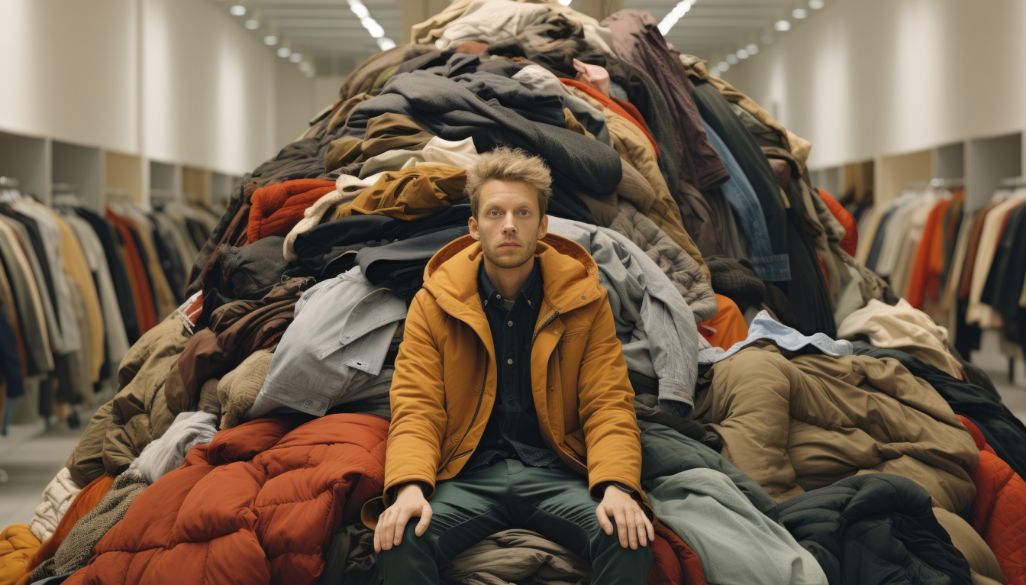
Most men will tell you they have nothing to wear while standing in front of a wardrobe full of clothes. Shirts they have not worn in years. Jumpers bought for one specific occasion. Trousers that technically fit but never quite feel right.
And yet, despite all this choice, the same three outfits appear on repeat.
There is the everyday safe option. The slightly smarter version for meetings or dinners. And the weekend uniform that only changes when it goes in the wash. Everything else exists in theory rather than practice. This is not laziness. It is efficiency.
Men tend to wear what works. Once an outfit has proven itself comfortable, reliable and socially acceptable, it becomes trusted. Trying something new introduces risk. Is it too tight. Too loose. Too much effort. Will someone comment on it. So the familiar wins.
The problem is that wardrobes slowly fill up with good intentions rather than good decisions. Clothes are bought because they looked right in the shop, were on offer or seemed like something a grown adult should own. Once home, they join a silent collection of items that never quite earn their place.
Another issue is versatility. Many clothes only work in very specific situations. A jacket that is too formal for everyday wear but too casual for proper occasions. Shoes that look great but hurt after twenty minutes. Shirts that require a level of ironing commitment that feels unreasonable.
When an item feels inconvenient, it gets avoided.
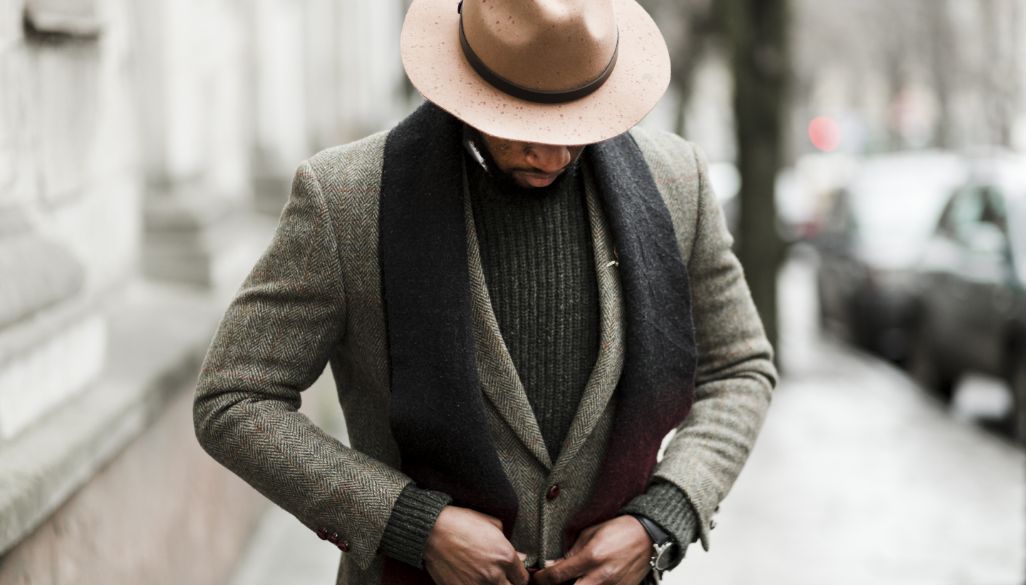
Comfort also plays a bigger role than most men admit. Clothing that pinches, restricts or needs constant adjustment is quietly rejected. The body remembers discomfort even when the mind forgets.
Then there is decision fatigue. After a full day of choices, standing in front of a wardrobe can feel like one decision too many. Wearing the same familiar clothes removes that burden. There is comfort in knowing exactly how something feels and looks without thinking.
This explains why the same three outfits rotate endlessly.
The solution is not buying more clothes. It is buying fewer, better ones. Pieces that work together. Items that feel good on the body and suit real life, not an imagined version of it.
A wardrobe that pays attention to fit, fabric and function gets worn. One filled with random purchases does not.
Letting go of unworn clothes also helps. Keeping items out of guilt or optimism only adds noise. Clothes should earn their space by being worn.
The irony is that most men would feel more stylish with less in their wardrobe, not more. When everything fits, works together and feels comfortable, getting dressed becomes simple.
And when getting dressed is simple, those three outfits start to expand naturally.
Not because you tried harder. But because your wardrobe finally works for you.

Features