Your Kitchen Could Be Making You Sick: The Hidden Dangers in Plastics and Pans
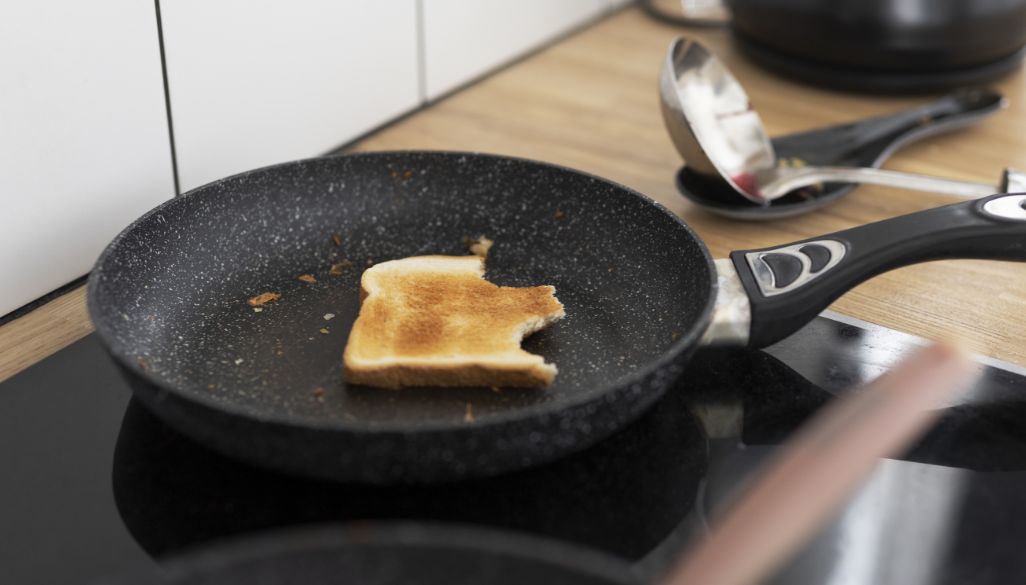
From flexible plastics leaching hormone-disrupting phthalates to overheated non-stick pans releasing toxic fumes, everyday kitchen items may be putting you and your family at risk and what you can do to stay safe
Every day, we interact with plastics and cookware that seem harmless - from food containers and toys, to non-stick frying pans. Yet many of these everyday items contain chemicals that can affect our health, often without us realising it. Chief among these are phthalates, commonly added to plastics to make them flexible, as well as chemicals used in certain non-stick pan coatings.
What Are Phthalates?
Phthalates are plasticizers added to PVC and other flexible plastics to improve durability and softness. They’re found in items like vinyl flooring, shower curtains, food packaging, toys and even medical devices. Unlike the plastic itself, phthalates are not permanently bound, meaning they can leach into food, dust, or skin creating a pathway into the human body.
How Exposure Happens
• Ingestion: Fatty foods stored in certain plastics can absorb phthalates.
• Inhalation: Household dust may contain phthalate particles.
• Skin contact: Personal care products or soft plastic items can transfer chemicals through the skin.
Children are especially vulnerable due to their smaller body weight and habits like mouthing toys.
Health Impacts of Phthalates
Research links phthalates to a variety of health concerns:
• Endocrine disruption: Phthalates can interfere with hormone function, affecting testosterone and other critical hormones.
• Reproductive and developmental effects: Prenatal exposure may alter genital development in boys, affect fertility later in life and potentially influence brain development.
• Metabolic disorders: Some studies suggest links to obesity, insulin resistance and type 2 diabetes.
• Respiratory and allergy issues: Phthalates can worsen asthma and allergy symptoms in sensitive individuals.
Plastics to Avoid
• PVC (Polyvinyl Chloride, Code #3): Found in flexible toys, flooring and shower curtains. Often contains phthalates.
• Soft, flexible plastics: Squeeze bottles, teething toys and some lunchboxes.
• Cling film and certain food packaging: Phthalates can migrate into food, especially fatty items.
Safer alternatives: HDPE (#2), PP (#5), glass, stainless steel and silicone for food storage.
Non-Stick Pans: Another Hidden Risk
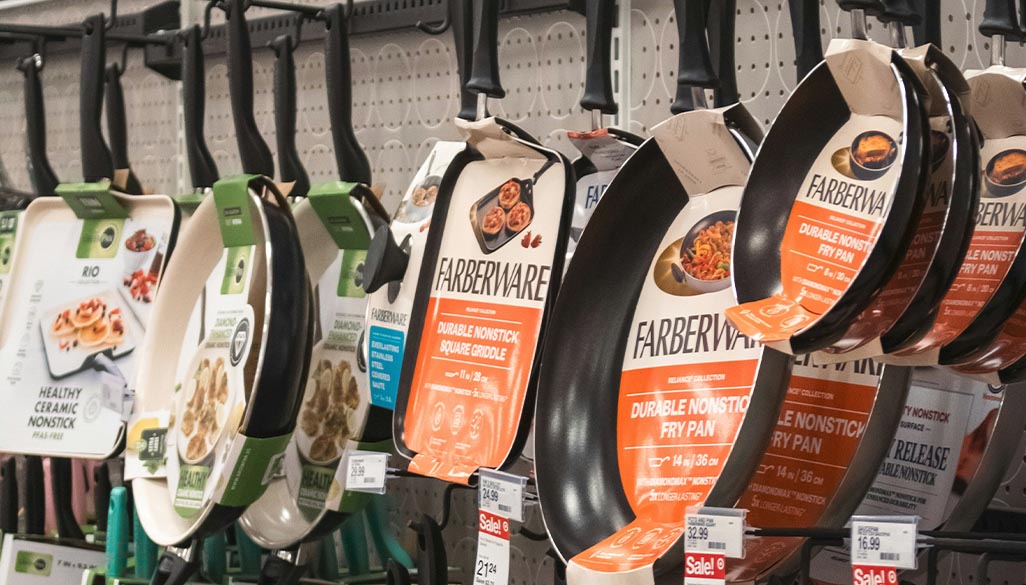
Many non-stick pans use PTFE (Teflon) coatings, which are generally safe under normal cooking temperatures but can release toxic fumes if overheated. Older pans may contain PFOA, a chemical linked to health risks.
Safe choices:
• Ceramic-coated pans – non-stick without fluoropolymers.
• Cast iron or stainless steel – chemical-free and heat-stable.
Tips for safe use: Cook on low to medium heat, avoid preheating an empty pan and ventilate your kitchen.
Reducing Your Risk
• Choose phthalate-free, PVC-free plastics and check labels carefully.
• Avoid microwaving or heating food in soft plastics.
• Opt for glass, stainless steel, or silicone storage containers.
• Replace older non-stick pans with PFOA-free or ceramic alternatives.
Conclusion
Our modern kitchens are full of convenience, but some everyday materials carry hidden health risks. From flexible plastics leaching phthalates to non-stick pans overheating, awareness is key. By choosing safer plastics, avoiding high-heat, abuse of non-stick cookware and prioritizing chemical-free alternatives, you can protect yourself and your family - and still enjoy a fully functional, modern kitchen.

Features